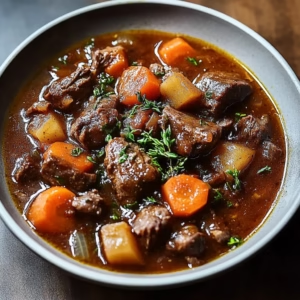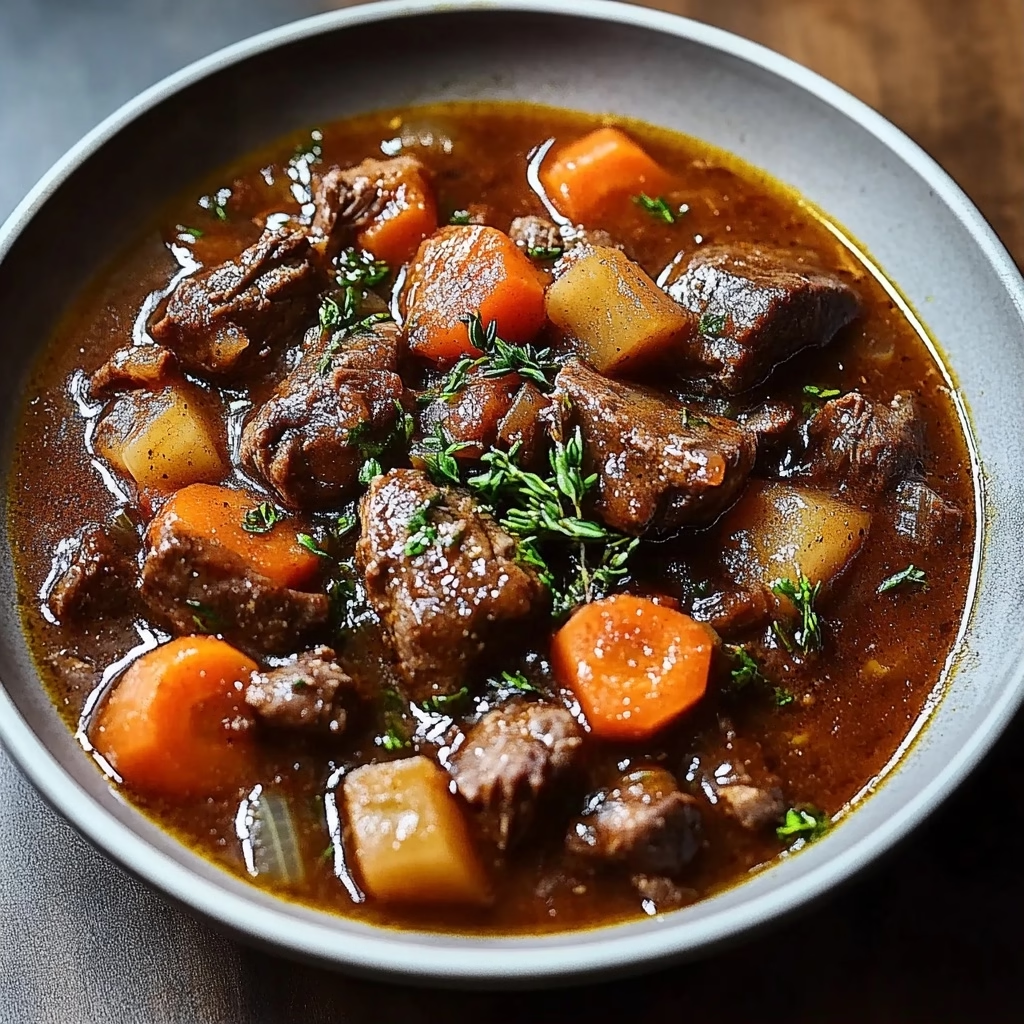
Old-Fashioned Beef Stew is the kind of meal that wraps around you like a soft, knitted blanket on a crisp autumn evening. When the house fills with the deep, earthy aroma of slowly simmering beef and root vegetables, it feels as if time itself slows down to match the gentle rhythm of the kitchen. This recipe is a grounding experience, reminding us that nourishing our bodies with wholesome, simple ingredients is one of the most honest ways to practice self-care.
Creating this Old-Fashioned Beef Stew in my own kitchen, especially when the morning sunlight is streaming through the window, feels like a quiet act of love. It is a hearty, humble dish that celebrates the bounty of the earth, offering deep comfort that reaches far beyond the plate. Let us explore the beauty of this classic, slow-cooked masterpiece together.
What is Old-Fashioned Beef Stew?
Old-Fashioned Beef Stew is a traditional American comfort food that focuses on long, slow simmering to transform humble ingredients into something truly special. It relies on a classic technique of searing protein to build a foundation of flavor, followed by a patient braise in a rich, savory broth until every component reaches the perfect level of tenderness.
This dish is deeply rooted in home-style cooking traditions, designed to feed families and provide warmth during the colder months. Unlike modern, complicated recipes, this stew honors the natural integrity of beef chuck and garden-fresh vegetables. It is not just a meal; it is an invitation to slow down and enjoy the process of cooking with intention.
Reasons to Try Old-Fashioned Beef Stew
This recipe is a perfect companion for those who value meals that heal and satisfy from the inside out. Because it is cooked slowly, the beef chuck becomes incredibly tender, nearly melting away with each bite, which makes it a favorite for families or intimate gatherings where you want to serve something truly comforting.
You will love how simple and accessible these ingredients are, yet how profound the final result tastes. It is a forgiving, versatile dish that allows you to connect with the seasonal rhythm of nature by swapping in whatever root vegetables happen to be at their peak. Making this stew is an act of mindful nourishment that helps you reclaim your kitchen as a space of peace and well-being.
Ingredients Needed to Make Old-Fashioned Beef Stew
- 2 pounds beef chuck, cut into 1.5-inch cubes
- 4 medium carrots, peeled and cut into chunks
- 4 medium potatoes, peeled and quartered
- 3 celery stalks, chopped
- 1 large onion, diced
- 4 cups beef broth
- 2 tablespoons tomato paste
- 2 tablespoons all-purpose flour
- 3 cloves garlic, minced
- 2 bay leaves
- 1 teaspoon dried thyme
- Fresh parsley for garnish
Instructions to Make Old-Fashioned Beef Stew – Step by Step
Step 1: Begin by patting your beef cubes thoroughly dry with paper towels to ensure a perfect sear. Season them generously with salt and pepper, then heat a little oil in your Dutch oven over medium-high heat until it shimmers. Brown the beef in small batches, allowing each side to develop a deep, mahogany crust, then set the beef aside on a plate while keeping those precious browned bits at the bottom of the pot.
Step 2: Lower the heat slightly and add your diced onions and celery to the pot, letting them soften and absorb the flavor of the beef. Once they are translucent and fragrant, stir in your minced garlic and let it cook for just a minute until the air in your kitchen smells wonderful. Sprinkle the flour over the vegetables, stirring constantly for two minutes to cook out that raw starchiness and create the base for your thickening gravy.
Step 3: Return the browned beef and any resting juices back to the pot. Stir in the tomato paste until it is well combined, then gradually pour in your beef broth, using your wooden spoon to scrape up all those flavorful bits from the base. Add your bay leaves and dried thyme, bring the liquid to a gentle bubble, and then lower the heat to a whisper, covering the pot to let it simmer peacefully for an hour.
Step 4: After that first hour, gently lift the lid and nestle your carrots and potatoes into the broth. Cover the pot again and continue simmering for another 45 to 60 minutes, allowing the vegetables to become tender without losing their shape. You are looking for a state where the beef falls apart under the gentle pressure of a fork and the broth has thickened into a silky, savory sauce.
Step 5: Once done, discard the bay leaves and adjust your salt and pepper to align with your own palate. If you prefer an even thicker, more velvety gravy, leave the pot uncovered for the final ten minutes of cooking. Serve your bowls steaming hot, garnished with a handful of fresh parsley to bring a bright, living energy to the dish, perhaps alongside a piece of crusty sourdough bread.
Chef’s Tips for a Perfect Result
- Always sear the beef in small batches to ensure the meat browns rather than steams, which builds that crucial deep flavor.
- Use a heavy-bottomed Dutch oven, as it provides the consistent, gentle heat required for long-term simmering.
- Don’t skip the step of coating the vegetables with flour, as this naturally thickens your stew without the need for processed additives.
- Cut your carrots and potatoes into uniform, bite-sized pieces so that every mouthful is perfectly balanced and cooks at the same rate.
- Allow the stew to rest for ten minutes after taking it off the heat to let the juices redistribute and the flavors deepen.
Variations and Substitutions
- Vegan Option: Replace the beef with hearty cremini mushrooms and chickpeas, and use a robust vegetable broth for a plant-based, earth-focused alternative.
- Gluten-Free Alternative: Use a high-quality gluten-free flour blend or arrowroot powder to thicken the gravy, ensuring the texture remains silky and light.
- Low-Carb Version: Swap the potatoes for cubes of rutabaga or cauliflower florets added in the final 20 minutes to keep the texture interesting while lowering the carbohydrate count.
- Budget Swap: Use beef shank instead of chuck, as it is often more affordable and, when braised for a long time, provides an incredibly rich, collagen-heavy gravy that supports joint health.
How to Serve and Pair
This stew is best served in wide, shallow ceramic bowls that retain heat. Pair it with a slice of rustic, whole-grain bread to soak up the juices, or serve it atop a bed of creamy, herb-infused mashed potatoes for a truly grounding meal. It is a wonderful choice for Sunday family dinners or quiet evenings when you want to create a sense of hearth and home.
Storage and Reheating
Refrigerator: Store your stew in an airtight glass container for up to four days. The flavors often deepen and improve overnight as the ingredients marinate in the broth.
Freezer: Allow the stew to cool completely before transferring it to freezer-safe bags or containers. It will keep for up to three months, making it a perfect “emergency” meal for busy weeks.
Reheating: Reheat slowly on the stovetop over low heat, adding a splash of fresh broth if the gravy has thickened too much in the cold. Avoid the microwave if possible, as it can cause the meat to become tough.
Nutritional Values
- Calories: 380 per serving
- Protein: 32g
- Carbohydrates: 25g
- Fat: 18g
- Fiber: 4g
Approximate values.
Frequently Asked Questions (FAQ)
Can I use sweet potatoes instead of regular potatoes?
Yes, you can substitute sweet potatoes for a slightly sweeter, more nutrient-dense profile. Keep in mind that sweet potatoes break down faster than russets, so add them during the last 30 minutes of cooking.
How do I know when the beef is perfectly tender?
The beef is finished when a fork easily pierces the center of a cube and the meat yields with almost no resistance. If the beef still feels firm, simply continue the gentle simmer until it reaches that signature melt-in-your-mouth texture.
What should I do if my gravy is too thin?
You can thicken the gravy by removing the lid for the final 15 minutes of simmering to allow the liquid to reduce naturally. Alternatively, whisk a teaspoon of cornstarch into cold water and stir it into the bubbling pot.
Can I prepare this stew in advance?
Preparing this stew in advance is a wonderful idea, as the flavors meld and mature beautifully after sitting in the refrigerator overnight. It is arguably even more flavorful when reheated the next day.
What is the best way to customize this recipe?
You can customize this dish by adding seasonal herbs like fresh rosemary or sage during the last stage of cooking. These fresh additions bring a vibrant, aromatic energy that complements the earthy base of the stew.
Conclusion
Old-Fashioned Beef Stew is more than a recipe; it is a timeless invitation to find comfort and connection in the kitchen. By choosing simple, honest ingredients and honoring the slow pace of the cooking process, you create a nourishing meal that warms the soul. I encourage you to take the time to prepare this with intention, letting the rich, savory aromas fill your home and bring a sense of peace to your day.
Print
Old-Fashioned Beef Stew
- Prep Time: 20
- Cook Time: 180
- Total Time: 200
- Yield: 6 servings 1x
- Category: Dinner
- Method: Stewing
- Cuisine: American
- Diet: Halal
Description
This Old-Fashioned Beef Stew is a soul-warming, classic American comfort food that celebrates simple, wholesome ingredients. By slowly simmering tender beef chuck with aromatic carrots, potatoes, and celery in a rich, savory broth, this dish achieves a depth of flavor that feels like a home-cooked hug. It is the perfect recipe for mindful cooking, designed to feed the family and nourish the spirit on a crisp, quiet evening.
Ingredients
2 pounds beef chuck, cut into 1.5-inch cubes
4 medium carrots, peeled and cut into chunks
4 medium potatoes, peeled and quartered
3 celery stalks, chopped
1 large onion, diced
4 cups beef broth
2 tablespoons tomato paste
2 tablespoons all-purpose flour
3 cloves garlic, minced
2 bay leaves
1 teaspoon dried thyme
Fresh parsley for garnish
2 tablespoons vegetable oil
Salt and black pepper to taste
Instructions
Pat the beef cubes dry and season generously with salt and pepper.
Heat oil in a large Dutch oven or heavy-bottomed pot over medium-high heat and sear the beef in batches until browned on all sides; remove and set aside.
Add the onion to the pot and cook until softened, then stir in the garlic and tomato paste, cooking for another minute.
Sprinkle the flour over the vegetables and stir well to toast it slightly.
Gradually pour in the beef broth, scraping the bottom of the pot to release any browned bits.
Return the beef to the pot and add the carrots, potatoes, celery, bay leaves, and dried thyme.
Bring the mixture to a gentle boil, then reduce the heat to low, cover, and simmer for 2.5 to 3 hours, or until the beef is fork-tender.
Remove the bay leaves and serve warm, garnished with fresh parsley.
Notes
Ensure you sear the beef in small batches to get a good crust rather than steaming the meat. For a thicker stew, remove the lid for the last 30 minutes of cooking. Leftovers can be stored in an airtight container in the refrigerator for up to 3 days and often taste even better the next day.
Nutrition
- Serving Size: 1.5 cups
- Calories: 420
- Sugar: 5g
- Sodium: 650mg
- Fat: 18g
- Saturated Fat: 6g
- Carbohydrates: 32g
- Fiber: 5g
- Protein: 34g
- Cholesterol: 110mg