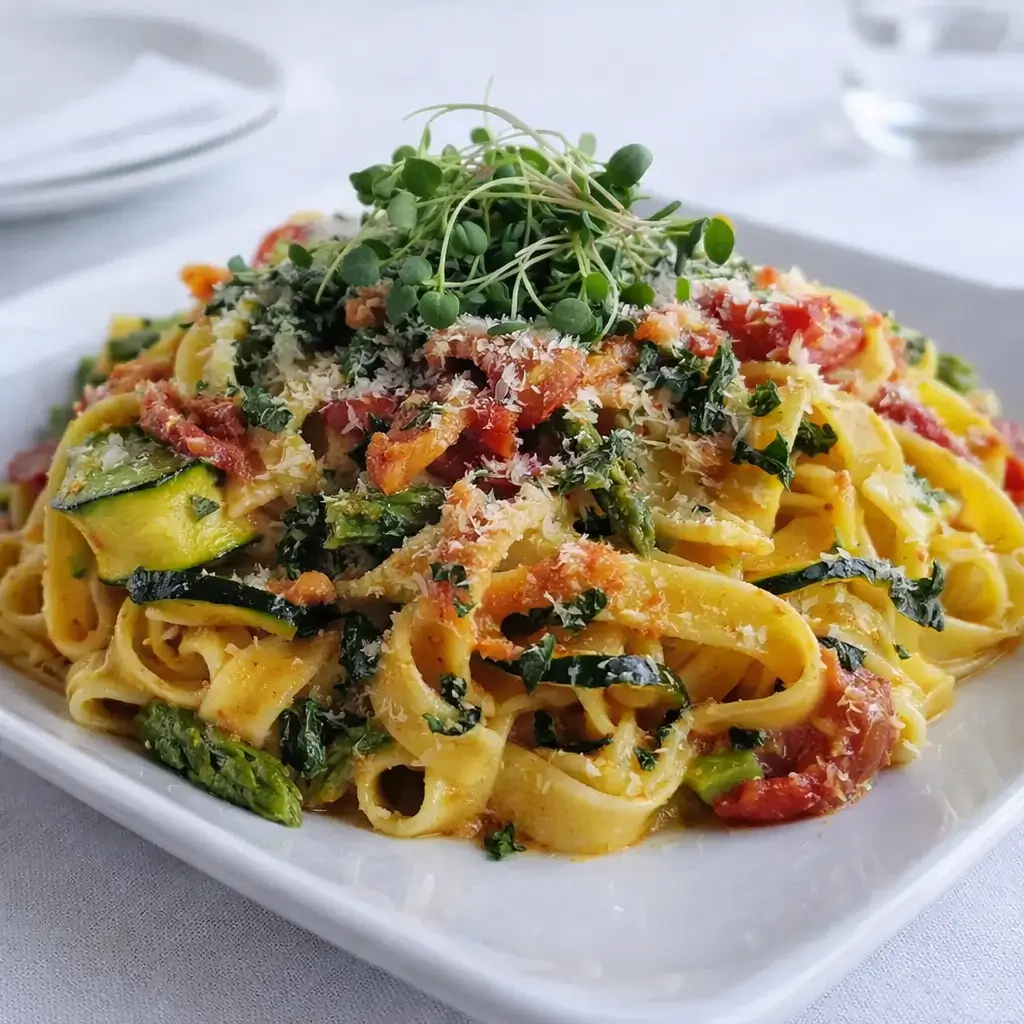
Vegetable Primavera Pasta is that dish you turn to when you want something that looks fancy but feels like comfort food. It’s the perfect balance between fresh garden flavors and a satisfying, cozy pasta dinner. Imagine twirling forkfuls of tender penne coated in a light lemon-garlic sauce, studded with colorful veggies that still have that irresistible crisp bite.
The best part? You can pull it all together in under 30 minutes—yes, even on a Tuesday night when the dishwasher’s full and everyone’s asking, “What’s for dinner?” Packed with good-for-you veggies and Parmesan goodness, this Vegetable Primavera Pasta brings sunshine to your table, even in the middle of winter. Whether you’re cooking for your family or just need a quick dinner that makes you feel like you’ve got your life together, this one’s got your back.
Table of Contents
What is Vegetable Primavera Pasta?
At its heart, Vegetable Primavera Pasta is an Italian-inspired dish that celebrates fresh produce. “Primavera” means “spring” in Italian, which is a pretty big hint that it’s all about those bright, seasonal vegetables. Traditionally, it’s made with pasta tossed in olive oil, garlic, and a colorful mix of vegetables—zucchini, bell peppers, broccoli, snap peas, carrots, and juicy tomatoes all join the party. Parmesan cheese melts in to create a silky sauce without heavy cream, and a squeeze of lemon brings everything to life.
The best part? You can customize it however you like—throw in asparagus in the spring, mushrooms in the fall, or even roasted tomatoes for extra flavor. Think of it as your canvas; your fridge becomes the palette.
Reasons to Try Vegetable Primavera Pasta
Let’s be honest—you don’t need a special occasion for pasta, but here’s why this one deserves a permanent spot in your dinner rotation. First, it’s ridiculously fast. You’ll have it ready before your favorite show even gets through the recap. Second, it’s veggie-loaded but still tastes indulgent (thank you, olive oil and Parmesan). Third, it’s adaptable for just about any dietary need—swap in gluten-free pasta or vegan cheese without missing a beat.
It’s also kid-friendly—because somehow, when vegetables are tossed with noodles, they magically disappear into happy mouths. Plus, this dish feels restaurant-quality but doesn’t cost $20 a plate. And finally, the colors—vibrant greens, yellows, and reds—make it look like you worked way harder than you did.
Ingredients Needed to Make Vegetable Primavera Pasta
Here’s everything you’ll need for this gorgeous bowl of goodness:
- 12 oz penne pasta (or spaghetti, linguine, or your favorite shape)
- Salt for boiling pasta
- 2 tbsp extra-virgin olive oil (plus a little more if needed)
- 3 cloves garlic, minced
- 1 small red onion, thinly sliced
- 1 red bell pepper, sliced into strips
- 1 yellow bell pepper, sliced into strips
- 2 small zucchini, halved and sliced (about 2 cups)
- 1 small carrot, julienned or thinly sliced (optional)
- 1 cup cherry tomatoes, halved
- 1 cup broccoli florets
- 1/2 cup snap peas or green beans, trimmed and cut into 1-inch pieces
- 1/2 cup low-sodium vegetable broth (or reserved pasta water)
- 1/2 lemon, juiced (plus more for serving)
- 1/2 cup grated Parmesan cheese (plus extra for topping)
- 1/4 cup fresh basil leaves, torn
- Salt and freshly ground black pepper to taste
- Red pepper flakes to taste (optional but highly recommended)
Instructions to Make Vegetable Primavera Pasta – Step by Step
Step 1: Prep the Vegetables
Here’s where the magic begins. Wash and dry all your vegetables—because a clean veggie makes a happy pasta. Slice your onion into thin strips, cut the bell peppers into colorful ribbons, and halve those juicy cherry tomatoes. Slice the zucchini into half-moons and give the carrot a fine julienne if you’re feeling fancy. Broccoli florets? Just bite-sized, please. Snap peas should be trimmed and cut in half so they mingle easily with the pasta. And that garlic? Mince it finely—it’s the backbone of your flavor base. Prepping everything before you start cooking keeps this recipe stress-free. Think of it like a cooking show where you’re the star and the counter is your stage.
Step 2: Boil the Pasta
Bring a large pot of salted water to a roaring boil—it should be as salty as the sea, because that’s where your pasta picks up its first layer of flavor. Add your pasta and cook it until al dente, which is Italian for “tender but still has a little fight left in it.” This usually takes about 8–10 minutes depending on the brand. Don’t walk away! You’ll want to reserve about ½ cup of that starchy pasta water before draining—it’s liquid gold for your sauce later. Drain the pasta but don’t rinse it; we want all that starch to cling to the veggies like best friends at a reunion.
Step 3: Sauté the Aromatics
While the pasta’s bubbling away, heat 2 tablespoons of olive oil in a large skillet over medium-high heat. When it shimmers, add the sliced onion and let it soften for about 2 minutes until it starts to turn translucent. Now toss in the minced garlic and stir for 30 seconds—just long enough to make your kitchen smell like a cozy Italian bistro. You’ll know it’s ready when people start wandering in asking, “What’s cooking?”
Step 4: Add the Veggies
Here’s where the color show begins. Toss in the red and yellow bell peppers, zucchini, and carrot. Sauté for 3–4 minutes, stirring occasionally so nothing sticks. You want them crisp-tender, not mushy. Next, add the broccoli and snap peas, cooking another 2–3 minutes. They should stay bright green—overcooked broccoli is no one’s friend. The key to a perfect primavera is keeping everything lively and slightly firm. If you want to get fancy, cook your veggies in two batches to avoid overcrowding the pan; they’ll sauté instead of steam, which means more flavor.
Step 5: Toss in the Tomatoes
Now it’s time for the cherry tomatoes. Add them to the skillet and let them cook for about a minute until they just start to soften and release their juices. You’ll notice the sauce starting to form as the tomatoes break down slightly—this is your cue that things are about to get delicious.
Step 6: Build the Sauce
Pour in the vegetable broth (or that reserved pasta water) and squeeze in the lemon juice. Stir everything gently so the flavors mingle. Season with salt, pepper, and a pinch of red pepper flakes if you like a little heat. Let it simmer for 1–2 minutes to thicken slightly. The sauce will be light, fresh, and glossy—exactly what you want in a primavera.
Step 7: Combine Pasta and Veggies
Add the drained pasta straight into the skillet with the veggies and sauce. Toss it all together with a pair of tongs so every piece of pasta is coated with the lemony garlic goodness. If it looks dry, add a splash more pasta water to loosen things up. Sprinkle in the Parmesan cheese and half of the torn basil leaves. Toss again. The cheese will melt and create a silky, cohesive sauce that clings beautifully to the pasta. Taste, adjust, and add more lemon, salt, or Parmesan if your heart says yes (mine always does).
Step 8: Serve and Garnish
Transfer your Vegetable Primavera Pasta to bowls or a large serving platter. Top with the remaining basil, extra Parmesan, and a little drizzle of olive oil for that final glossy finish. A squeeze of lemon at the table adds a bright pop of freshness. Serve it hot and get ready for compliments.
For more pasta inspiration, check out my Lemon Ricotta Pasta with Spinach or Roasted Tomato and Garlic Ricotta Pasta for another creamy, flavor-packed dinner idea.
What to Serve with Vegetable Primavera Pasta
This pasta already feels like a meal in itself, but if you want to round it out, serve it with a crusty loaf of garlic bread or a simple salad—something like my Greek Pasta Salad or Rainbow Orzo Salad works beautifully. A chilled glass of white wine or sparkling lemonade ties it all together. If you’re craving dessert, pair it with a light treat like Mini Strawberry Cheesecakes—the tangy sweetness balances the savory notes perfectly.
Key Tips for Making Vegetable Primavera Pasta
- Don’t overcook the veggies. They should stay bright and crisp for the best texture.
- Reserve pasta water. It’s the secret to creating a light, silky sauce without cream.
- Use fresh lemon juice. Bottled stuff won’t give you the same brightness.
- Add cheese off the heat. This helps it melt evenly without clumping.
- Cook in batches if needed. Too many veggies in one pan will steam instead of sauté.
- Make it your own. Add grilled chicken, shrimp, or tofu if you want more protein.
Storage and Reheating Tips for Vegetable Primavera Pasta
Got leftovers? Lucky you. Store your Vegetable Primavera Pasta in an airtight container in the fridge for up to 3 days. When reheating, add a splash of water or broth to bring back the sauce’s creaminess. You can reheat it gently on the stovetop or in the microwave (cover it with a damp paper towel to keep the moisture in). If you’re planning ahead, you can prep the veggies earlier in the day—just store them in the fridge until dinner time.
FAQs
1. Can I make Vegetable Primavera Pasta vegan?
Absolutely! Just skip the Parmesan or use a vegan alternative.
2. What kind of pasta works best?
Penne is classic, but spaghetti, linguine, or even fusilli all work.
3. Can I add cream?
Yes, if you prefer a richer sauce, stir in a splash of heavy cream at the end.
4. Is it good for meal prep?
Definitely! It reheats beautifully and tastes even better the next day.
5. Can I freeze it?
Freezing isn’t ideal because the veggies can lose texture, but if you must, reheat gently and add a touch of olive oil to refresh it.
Final Thoughts
Vegetable Primavera Pasta is more than just a weeknight dinner—it’s a mood. It’s that bowl of sunshine you need when life feels a little gray. It’s proof that simple ingredients can create something extraordinary when treated with care. So the next time you’re craving something fresh, colorful, and soul-warming, grab your favorite veggies and let this Vegetable Primavera Pasta remind you that cooking doesn’t have to be complicated to be delicious.
Visit our Pinterest for regular slow cooker recipe updates, or join our Facebook discussions where cooking fans exchange their favorite hearty meal ideas.
Print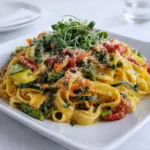
Vegetable Primavera Pasta Recipe: Quick, Colorful, and Delicious
- Prep Time: 10 minutes
- Cook Time: 18 minutes
- Total Time: 28 minutes
- Yield: 4 servings 1x
- Category: Main Course
- Method: Stovetop
- Cuisine: Italian
- Diet: Vegetarian
Description
This easy Vegetable Primavera Pasta is a colorful, veggie-packed dinner ready in 30 minutes. Crisp-tender vegetables, garlic, lemon, and Parmesan create a fresh, comforting meal perfect for busy weeknights or family gatherings.
Ingredients
- 12 oz penne pasta (or spaghetti, linguine, or your favorite shape)
- Salt, for cooking pasta
- 2 tbsp extra-virgin olive oil (plus more if needed)
- 3 cloves garlic, minced
- 1 small red onion, thinly sliced
- 1 red bell pepper, sliced into strips
- 1 yellow bell pepper, sliced into strips
- 2 small zucchini, halved and sliced (about 2 cups)
- 1 small carrot, julienned or thinly sliced (optional)
- 1 cup cherry tomatoes, halved (or diced Roma tomatoes)
- 1 cup broccoli florets
- 1/2 cup snap peas or green beans, trimmed and cut into 1-inch pieces
- 1/2 cup low-sodium vegetable broth (or reserved pasta water)
- 1/2 lemon, juiced (plus more for serving)
- 1/2 cup grated Parmesan cheese (plus extra for serving; sub vegan cheese as needed)
- 1/4 cup fresh basil leaves, torn
- Salt and freshly ground black pepper, to taste
- Red pepper flakes, to taste (optional)
Instructions
1. Wash and dry all vegetables. Slice onion, bell peppers, zucchini, and carrot. Halve cherry tomatoes, cut broccoli into florets, and trim snap peas. Mince garlic.
2. Bring a large pot of salted water to a boil. Add pasta and cook according to package instructions until al dente (8–10 minutes). Reserve 1/2 cup pasta water, then drain.
3. While pasta cooks, heat olive oil in a large skillet over medium-high heat. Add onion and cook for 2 minutes until softened. Stir in garlic and cook for 30 seconds until fragrant.
4. Add bell peppers, zucchini, and carrot. Sauté for 3–4 minutes, stirring occasionally. Add broccoli and snap peas, cook for another 2–3 minutes.
5. Add cherry tomatoes and cook for 1 minute until just softened.
6. Pour in vegetable broth (or reserved pasta water) and lemon juice. Season with salt, pepper, and red pepper flakes. Simmer for 1–2 minutes.
7. Add drained pasta to skillet with veggies and sauce. Toss gently, adding more pasta water if needed. Sprinkle in Parmesan cheese and half the basil. Toss again.
8. Taste and adjust seasoning with more salt, pepper, lemon juice, or Parmesan as desired.
9. Serve in bowls or on a platter. Top with remaining basil, extra Parmesan, and a squeeze of lemon.
Notes
For vegan or gluten-free adaptations, swap Parmesan for plant-based cheese and use gluten-free pasta.
Don’t overcrowd the pan—cook veggies in batches if needed.
Reserve pasta water to help create a silky sauce.
Taste and adjust seasoning before serving.
Leftovers keep well for up to 3 days in the fridge.
Nutrition
- Serving Size: About 2 cups
- Calories: 375
- Sugar: 8
- Sodium: 420
- Fat: 11
- Saturated Fat: 3
- Carbohydrates: 58
- Fiber: 8
- Protein: 14