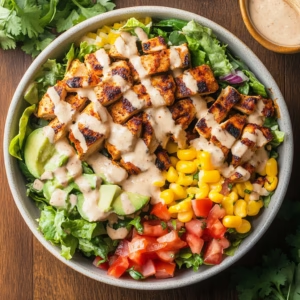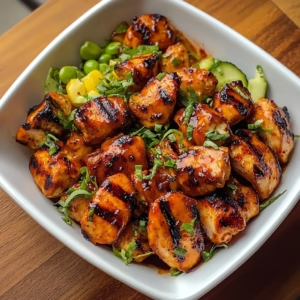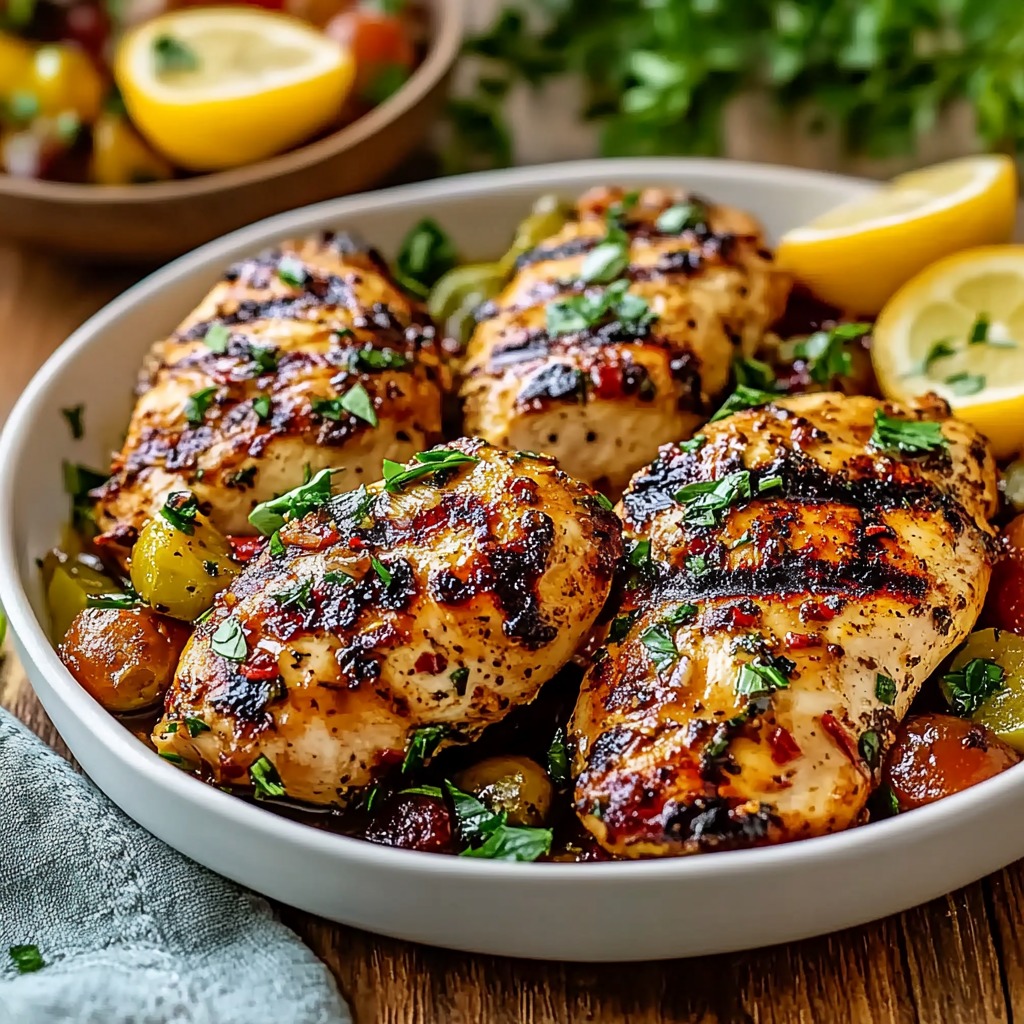
Mediterranean Chicken Marinade is more than a recipe; it’s a portal to summer kitchens and sun-dappled coasts. Imagine the tang of lemon, the warmth of oregano, and the whisper of paprika enveloping tender chicken in a dance of savory-sweet harmony. This marinade derives its magic from simplicity—extra virgin olive oil, fresh lemon juice, and a symphony of herbs that echo the markets of Greece and Italy. Whether grilling, pan-searing, or baking, it promises a shortcut to restaurant-quality flavor with minimal effort. Let me walk you through how to harness this Mediterranean alchemy in your own kitchen.
What is Mediterranean Chicken Marinade?
At its core, a Mediterranean Chicken Marinade is a blend of myrrh and mirth for the palate. Historically, Mediterranean cultures have used acidic liquids like lemon juice or vinegar alongside olive oil to tenderize meats while infusing them with aromatic herbs. The depth of flavor here comes from the interplay of citrus brightness, honey’s gentle sweetness, and spices like oregano and paprika, which historically were traded along ancient spice routes. Unlike heavy marinades, this one balances moisture retention in the chicken with crisp, golden results. The key difference lies in its simplicity—no overpowering garlic pastes or soy sauces, just clean, honest ingredients that let the chicken’s natural texture shine.
This marinade is also a time-traveler, borrowing techniques from modern Greek moussaka prep and classic Italian porchetta. The olive oil acts as both moisturizer and flavor carrier, while the vinegar and lemon juice break down proteins without toughness. The honey, in small amounts, adds a kiss of caramelization that glazes the chicken beautifully during cooking. It’s a marinade that respects tradition yet feels refreshingly new on the modern plate.
Reasons to Try Mediterranean Chicken Marinade
Think of this marinade as your secret weapon for weekday dinners and weekend feasts alike. It’s forgiving—beginners will appreciate how easy it is to whip up, while seasoned cooks will love how the flavors adapt to different cooking methods (grill, pan, oven). Busy parents will relish its hands-off marination time, and families will delight in the tender, aromatic results that even the pickiest eaters will crave. Leftovers? They’re gold for adding to grain bowls, salads, or light wraps, illustrating the recipe’s versatility.
The health angle is equally compelling: olive oil delivers heart-healthy monounsaturated fats, and the spices add anti-inflammatory compounds without artificial additives. You’re not just cooking; you’re nurturing your body with food that aligns with mindful wellness. Plus, the marinade’s ingredients are pantry staples for many, making the recipe both accessible and sustainable.
Ingredients Needed to Make Mediterranean Chicken Marinade
For the marinade:
- 1/3 cup olive oil (extra virgin or mild, depending on your pantry)
- 1 tbsp red wine vinegar (a background tang, not a starring role)
- 1 1/2 cups lemon juice (fresh-squeezed for that unfiltered brightness)
- 1 1/2 tsp honey (local, raw if possible—its subtle floral notes add depth)
- 1 tsp garlic powder (or fresh minced garlic for a more assertive bite)
- 2 tsp oregano (preferably Mediterranean, with its aromatic potency)
- 3/4 tsp salt (kosher or sea salt for clean flavor, no iodized)
- 1/4 tsp paprika (smoked or sweet—whichever your heart desires)
- 1/4 tsp black pepper (freshly ground for maximum pizzazz)
- 1 tsp dried parsley (or substitute thyme for earthier notes)
For the chicken:
- 1 lb chicken (breast or thighs; 1-inch cubes for even marination)
Instructions to Make Mediterranean Chicken Marinade – Step by Step
Step 1: In a large bowl, whisk the olive oil, red wine vinegar, and lemon juice until the liquid feels uniformly acidic and tangy. Add the honey and stir until it dissolves completely—this takes about 30 seconds of patient whisking. You’ll notice the mixture thickening slightly from the honey, becoming a creamy emulsion.
Step 2: In a separate small bowl, measure and mix the dry ingredients: garlic powder, oregano, salt, paprika, black pepper, and dried parsley. Sift these over the wet mixture to avoid clumps. Whisk aggressively for a full minute to integrate the spices fully; the air bubbles will help disperse their oils for even inflection in the chicken.
Step 3: Trim any excess fat from the chicken and pat it dry with paper towels. Cut it into 1-inch cubes—not too small, so the marinade has something to cling to. Place the cubes in a resealable bag or shallow container that allows the chicken to lie in a single layer for maximum contact with the marinade.
Step 4: Pour the marinade over the chicken, ensuring each cube is fully submerged or doused. Seal the bag and massage it gently for 30–60 seconds, pressing the marinade into the crevices of the meat. Refrigerate for at least 30 minutes, though 4–6 hours yields the best balance of flavor inflection and texture retention. If marinating for more than 24 hours, consume within that window to respect the vinegar’s tenderizing effect.
Step 5: Thirty minutes before cooking, remove the chicken from the refrigerator to reach room temperature. Discard the remaining marinade—its acidic nature is designed to flavor the meat, not to survive reuse. Heat your grill or skillet over medium-high heat, adding a drizzle of olive oil to prevent sticking. Sear the chicken for 3–4 minutes per side until golden and opaque, or until a thermometer reads 165°F.
Step 6: Once cooked, transfer the chicken to a white plate to appreciate its ruddy sheen—a visual reward for your effort. Let it rest for 5 minutes to allow the juices to redistribute, then serve. The result is a craveable contrast: a firm, caramelized exterior with juicy, spice-kissed interiors.
Chef’s Tips for a Perfect Result
- Whisk like a pro: The more air incorporated into the marinade, the better the spices disperse and cling to the chicken.
- Cut uniformly: Irregular sizes lead to uneven marination and cooking; a mandolin or sharp knife is your ally here.
- Don’t skimp on the salt: Salt draws out moisture and enhances flavor—reduce it only if your chicken is already seasoned.
- Room temperature is key: Cold chicken convulses into the heat, leading to uneven doneness; letting it rest before cooking ensures a gentle sear.
- Reuse wisely: If you must, briefly boil leftover marinade before repurposing for a glaze or sauce—never return to the raw chicken.
Variations and Substitutions
- Vegan Option: Substitute chicken with firm chickpeas or portobello mushrooms; replace honey with maple syrup for a similar caramelization effect.
- Gluten-Free Alternative: No adjustments needed—this marinade naturally avoids gluten.
- Low-Carb Version: Omit honey and use a teaspoon of dextrose or monk fruit sweetener for tang without sugar.
- Budget Swap: Replace olive oil with avocado oil for a similar neutral base at a lower cost.
- Herb Swap: Substitute dried oregano with marjoram or thyme for a more classic Southern European touch.
How to Serve and Pair
Serve this Mediterranean Chicken Marinade masterpiece over a bed of za’atar-seasoned quinoa or alongside a peppery arugula salad with toasted pine nuts. For a rustic touch, pair it with crusty sourdough to mop up remaining juices. At a summer picnic, tuck the grilled chicken into lettuce wraps with tzatziki and cucumber ribbons for a refreshing, handheld treat. The marinade also shines untamed: simply toss rested chicken with extra virgin olive oil, lemon zest, and slivered basil for a no-cook crudo.
Storage and Reheating
Refrigerator: Store cooked chicken in an airtight container for up to 3 days. The marinade’s acidity preserves it despite its delicate texture.
Freezer: Freeze in a flat, single layer on parchment paper, then transfer to a zip bag. For best quality, consume within 3 months.
Room Temperature: Left at room temperature for 2 hours, but best served freshly cooked and rested.
Reheating: For microwave: nuke in 30-second bursts, covering to prevent drying. For oven: Warm in a 350°F oven with a splash of water for 10–15 minutes until heated through. To retain juiciness, reheat over the stovetop in a non-stick pan with a drizzle of water—sear gently to glaze the exterior without overcooking.
Nutritional Values
- Calories: 210–230 per serving
- Protein: 18–20g
- Carbohydrates: 2.5g
- Fat: 15–17g
- Fiber: 0.5g
Apx values. Recipe yields 4 servings, adjust macros for leftovers or skipped ingredients like honey.
Frequently Asked Questions
Can I substitute red wine vinegar with something else?
Absolutely. Apple cider vinegar or even a splash of bottled lemon juice (for a more intense citrus tang) work just as well. The vinegar’s role is to tenderize, not flavor, so acidity level is the key.
How do I know when the chicken is fully cooked?
Use a meat thermometer: 165°F in the thickest cube. Alternatively, cut into the center—a clear, opaque center means it’s done. Mishaps with overcooking? Try beholden to the time; a white-hot skillet cooks it faster and retains more moisture than a lower-heat griddle.
Why does the chicken dry out when I cook it too fast?
High heat on unadjusted chicken evaporates juices too aggressively. Letting the chicken sit at room temperature before searing creates a gentle gradient of heat that unspools the moisture naturally. No more rubbery bites!
Can I make this marinade ahead of time?
Yes! Prepare the marinade up to a day in advance and store it in a sealed jar in the fridge. The flavors will deepen slightly, enriching the chicken’s character. Just mix in the chicken right before storage, not earlier than 30 minutes before.
What’s the best way to serve leftover chicken?
Pile it into a leafy greens wrap with tahini dressing and roasted red peppers for a quick lunch. Alternatively, toss with warm rotini pasta and cherry tomatoes for a faster fettuccine alfredo alternative.
Conclusion
Mediterranean Chicken Marinade is a bridge between culinary simplicity and profound flavor. By letting each ingredient sing, it transforms ordinary chicken into a sun-drenched celebration of taste. Try it once, and you’ll want to make it again—perhaps adding pitted kalamata olives or sautéed spinach into the mix. Whatever you do, savor the journey from marination to the plate, and let the lemony oregano memory linger in your kitchen long after the last bite.
Print
Mediterranean Chicken Marinade: A Flavorful Journey to Effortless Cooking
- Prep Time: 15 minutes
- Cook Time: 20 minutes
- Total Time: 1 hour 15 minutes
- Yield: 4 servings 1x
- Category: Main Dish
- Method: Marinating
- Cuisine: Mediterranean
Description
A bright and flavorful Mediterranean chicken marinade made with olive oil, lemon juice, red wine vinegar, oregano, garlic, honey, and herbs.
Ingredients
For the marinade:
- 1/3 cup olive oil
- 1 tablespoon red wine vinegar
- Juice of 1 1/2 lemons
- 1 1/2 teaspoons honey
- 1 teaspoon garlic powder
- 2 teaspoons oregano
- 3/4 teaspoon kosher salt
- 1/4 teaspoon paprika
- 1/4 teaspoon black pepper
- 1 teaspoon dried parsley
For the chicken:
- 1 pound chicken, cut into 1-inch cubes
Instructions
1. In a bowl or measuring jug, whisk together the olive oil, red wine vinegar, and freshly squeezed lemon juice.
2. Add the honey and stir until it dissolves completely.
3. In a separate small bowl, combine the garlic powder, oregano, salt, paprika, black pepper, and dried parsley.
4. Add the dry spice mixture to the wet ingredients and whisk thoroughly until the marinade is uniform.
5. Pat the chicken dry with paper towels, then cut it into uniform 1-inch cubes.
6. Place the chicken cubes into a resealable plastic bag or shallow container.
7. Pour the marinade over the chicken, making sure every piece is well coated.
8. Seal the bag or cover the container, then massage the marinade into the chicken for 30 to 60 seconds.
9. Refrigerate for at least 30 minutes, or up to 2 days for deeper flavor.
10. Remove the chicken from the refrigerator and let it sit at room temperature for 20 minutes before cooking.
11. Remove the chicken from the marinade and discard the excess liquid.
12. Heat a grill, skillet, or sheet pan to medium-high heat.
13. Cook the chicken until golden and the internal temperature reaches 165°F, about 8 to 12 minutes depending on the cooking method.
14. Let the chicken rest for a few minutes before serving.
Notes
Marinating for at least 4 hours gives the chicken deeper flavor and tenderness.
Cut the chicken into even pieces so it cooks at the same rate.
Discard any marinade that has touched raw chicken.
For skillet cooking, sear the chicken for 3 to 4 minutes per side until cooked through.
Nutrition
- Serving Size: 1 serving
- Calories: 225
- Sugar: 1g
- Sodium: 440mg
- Fat: 16g
- Saturated Fat: 3g
- Unsaturated Fat: 13g
- Trans Fat: 0g
- Carbohydrates: 2g
- Fiber: 0g
- Protein: 19g
- Cholesterol: 75mg