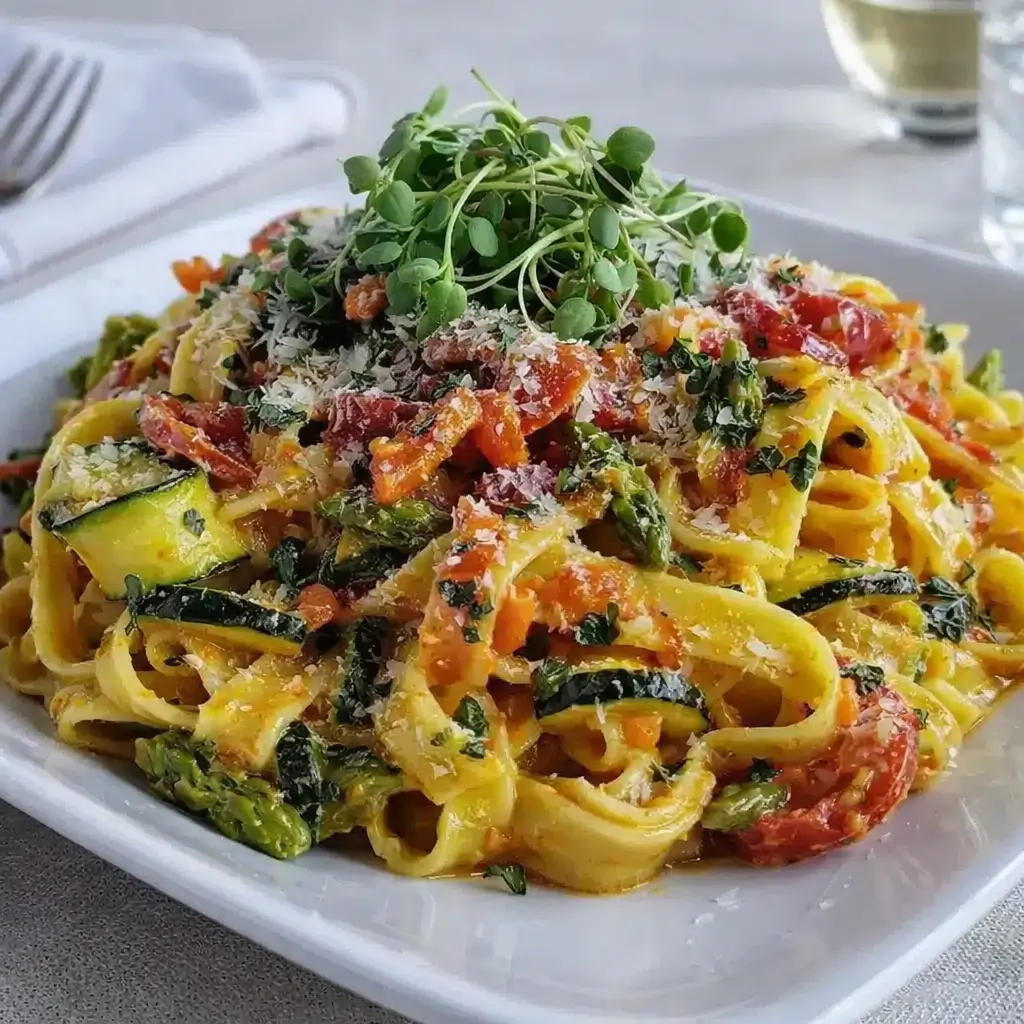
Vegetable Primavera Pasta is one of those magical dinners that taste like a summer garden in a bowl — colorful, fresh, and unbelievably satisfying. Whether you’re a mom juggling soccer practice and homework, a busy professional craving something quick yet wholesome, or just someone who loves pasta (and really, who doesn’t?), this recipe will hit the sweet spot. Packed with crisp-tender vegetables, garlic, lemon, and Parmesan, it’s bright and comforting without feeling heavy.
The best part? You can have this entire meal on the table in about 30 minutes. It’s the kind of dish that makes your kitchen smell amazing and your family ask, “What’s cooking?” before they’ve even set the table. Plus, since it’s easy to tweak, you can use whatever vegetables you have in the fridge — nothing fancy required. This Vegetable Primavera Pasta proves that a simple, colorful plate of pasta can be pure joy on a fork.
Table of Contents
What is Vegetable Primavera Pasta?
Vegetable Primavera Pasta is an Italian-inspired dish that celebrates vegetables at their best. “Primavera” literally means “spring” in Italian, but don’t let that fool you — it’s delicious year-round. Think of it as the ultimate vegetable medley tossed with perfectly cooked pasta in a light, lemony sauce. There’s no heavy cream or butter — just olive oil, garlic, and a touch of Parmesan to bring everything together. The magic lies in balance: the sweetness of bell peppers, the mild crunch of broccoli, the juicy burst of cherry tomatoes, and the fresh brightness of basil all dancing together on your plate.
It’s rustic, vibrant, and feels like something you’d find at a charming Italian café, except you made it at home in less time than it takes to get takeout. If you’re looking for something hearty but not heavy, this Vegetable Primavera Pasta is your answer — a dish that’s good for the body, good for the soul, and a guaranteed family favorite.
Reasons to Try Vegetable Primavera Pasta
There’s a reason this recipe is on repeat in so many kitchens. For starters, it’s quick — from chopping veggies to serving, you’ll be done in half an hour. That’s faster than scrolling through Netflix trying to pick a show. It’s also packed with nutrition, loaded with vitamins and fiber, but it doesn’t taste like health food (in the best way possible). The combination of tender pasta and crisp veggies makes every bite fresh and satisfying. Another big plus? It’s adaptable. Have mushrooms or spinach? Toss them in. Want to go vegan? Use plant-based cheese. Gluten-free? Swap the pasta for your favorite gluten-free version.
And if you’ve got picky eaters, the colorful mix of vegetables might actually convince them to give broccoli another shot. It’s also budget-friendly and works perfectly for meal prep. A little leftover? It reheats beautifully for lunch the next day. Compared to heavier dishes like lasagna or creamy alfredo, this one feels light but still comforting. If you love dishes like Greek Pasta Salad or Lemon Basil Pasta Salad, you’ll adore this Vegetable Primavera Pasta.
Ingredients Needed to Make Vegetable Primavera Pasta
Here’s what you’ll need to make this colorful and flavorful pasta dish:
- 12 oz penne pasta (or spaghetti, linguine, or your favorite shape)
- Salt, for cooking pasta
- 2 tbsp extra-virgin olive oil (plus more if needed)
- 3 cloves garlic, minced
- 1 small red onion, thinly sliced
- 1 red bell pepper, sliced into strips
- 1 yellow bell pepper, sliced into strips
- 2 small zucchini, halved and sliced (about 2 cups)
- 1 small carrot, julienned or thinly sliced (optional)
- 1 cup cherry tomatoes, halved (or diced Roma tomatoes)
- 1 cup broccoli florets
- ½ cup snap peas or green beans, trimmed and cut into 1-inch pieces
- ½ cup low-sodium vegetable broth (or reserved pasta water)
- ½ lemon, juiced (plus more for serving)
- ½ cup grated Parmesan cheese (plus extra for serving; sub vegan cheese if preferred)
- ¼ cup fresh basil leaves, torn
- Salt and freshly ground black pepper, to taste
- Red pepper flakes, to taste (optional)
Simple ingredients, nothing fancy, but when they come together, you’ve got something amazing.
Instructions to Make Vegetable Primavera Pasta — Step by Step
Step 1: Prep Like a Pro
Start by washing and drying all your vegetables — yes, all of them. No one likes soggy veggies, and this is the key to keeping everything crisp and colorful. Slice your onion and bell peppers into thin, even strips so they cook evenly. Halve the cherry tomatoes, cut the zucchini into half-moons, and trim the snap peas. Break the broccoli into small florets and mince your garlic (freshly minced makes all the difference here). Think of this as your “mise en place” moment — everything prepped and ready so you can cook smoothly.
Step 2: Boil the Pasta
Bring a large pot of salted water to a rolling boil. Add the pasta and cook according to package directions until al dente — which means firm but not hard. Before you drain it, scoop out about half a cup of pasta water. That starchy liquid will help your sauce come together later. Drain the pasta and set it aside, but don’t rinse it — you want the starch to cling so it can hold onto the sauce beautifully.
Step 3: Sauté the Aromatics
Heat two tablespoons of olive oil in a large skillet over medium-high heat. When it’s shimmering, toss in your sliced onions and cook for about two minutes until they soften slightly. Then add the minced garlic. Stir constantly for 30 seconds or so, just until fragrant. The kitchen will smell incredible at this point — that perfect garlic-onion combo always feels like the start of something good.
Step 4: Add the Veggies in Stages
Next, add your bell peppers, zucchini, and carrots to the skillet. These take a little longer to cook, so give them about 3 to 4 minutes, stirring occasionally. You want them tender but not mushy — still holding their shape. Then toss in your broccoli and snap peas. Cook for another 2 to 3 minutes, stirring occasionally, until the colors are bright and the veggies are crisp-tender. Remember, overcooked vegetables can make your pasta feel heavy, so less is more here.
Step 5: Add Tomatoes and Sauce
Now, toss in the cherry tomatoes and let them soften for about a minute. They’ll release some of their juices, which will help create that light, natural sauce. Pour in your vegetable broth or reserved pasta water, followed by the lemon juice. Stir gently, scraping the bottom of the pan to loosen any flavorful bits. Add a pinch of salt, pepper, and a few red pepper flakes if you like a little kick. Let it simmer for 1 to 2 minutes — the sauce will slightly thicken and coat the veggies.
Step 6: Bring it All Together
Add the cooked pasta straight into the skillet. Toss everything together with tongs, making sure every piece of pasta gets some love from the sauce and vegetables. Sprinkle in half the Parmesan cheese and half the basil. Toss again. If it looks too dry, add a splash of the reserved pasta water until it reaches a silky consistency. Taste, then adjust the seasoning — more salt, a squeeze of lemon, or another handful of Parmesan if your heart says yes.
Step 7: Serve and Enjoy
Transfer your Vegetable Primavera Pasta to bowls or a large serving platter. Top with the remaining Parmesan, the rest of the basil, and an extra drizzle of olive oil if you’re feeling fancy. For a burst of freshness, squeeze a little more lemon juice on top before serving. And there you have it — a vibrant, satisfying, and restaurant-worthy pasta that came straight from your own kitchen.
What to Serve with Vegetable Primavera Pasta
This dish shines on its own, but if you want to round out the meal, pair it with a simple salad or soup. A crisp green salad with a light vinaigrette is perfect, or try it with a warm bowl of Delicious Egg Drop Soup for a comforting combo. You could also add a slice of garlic bread or a chunk of crusty baguette to soak up any leftover sauce. And if you’re having guests, serve this pasta alongside Super Simple White Wine Shrimp Pasta or Rainbow Orzo Salad for a light and colorful spread.
Key Tips for Making Vegetable Primavera Pasta
- Don’t overcook the pasta — slightly firm is best because it will continue cooking when tossed with the sauce.
- Reserve your pasta water. It’s the secret ingredient to a silky, restaurant-style sauce.
- Cook veggies in stages — harder ones first (carrots, peppers), softer ones last (tomatoes, peas).
- Don’t overcrowd the skillet; it can cause steaming instead of sautéing.
- Use fresh lemon juice and fresh basil. The brightness they add can’t be matched by bottled or dried versions.
- Taste as you go. Salt, acid, and cheese balance everything.
- Want protein? Add grilled chicken, shrimp, or even chickpeas.
Storage and Reheating Tips for Vegetable Primavera Pasta
Got leftovers? Lucky you. Store your Vegetable Primavera Pasta in an airtight container in the fridge for up to 3 days. When reheating, sprinkle a tablespoon or two of water or broth before microwaving or reheating on the stove. This helps revive the sauce so it’s just as good as day one. Avoid freezing — the fresh veggies lose their crisp texture once thawed.
FAQs
Can I make Vegetable Primavera Pasta vegan? Absolutely. Just skip the Parmesan or use your favorite dairy-free alternative. Nutritional yeast also adds a great cheesy flavor.
Can I use frozen vegetables? You can, though fresh will taste better. If you use frozen, thaw and pat them dry first to prevent excess moisture.
What’s the best pasta shape for this recipe? Penne and linguine work great, but any shape that holds sauce well will do.
Can I add meat? Sure! Grilled chicken or shrimp are perfect add-ins if you’re not keeping it vegetarian.
Final Thoughts
Vegetable Primavera Pasta is proof that simple ingredients can make an extraordinary meal. It’s colorful, healthy, and quick — a perfect choice when you want something fresh but comforting. Whether you’re cooking for one or feeding a crowd, this dish brings everyone to the table with a smile. It’s fresh Italian simplicity done right — a weeknight hero that feels like a special occasion.
Visit our Pinterest for regular slow cooker recipe updates, or join our Facebook discussions where cooking fans exchange their favorite hearty meal ideas.
Print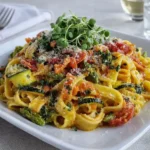
Vegetable Primavera Pasta: Quick, Colorful, and Comforting Dinner
- Prep Time: 10 minutes
- Cook Time: 18 minutes
- Total Time: 28 minutes
- Yield: 4 servings 1x
- Category: Main Course
- Method: Stovetop
- Cuisine: Italian
- Diet: Vegetarian
Description
This easy Vegetable Primavera Pasta is a colorful, veggie-packed dinner ready in 30 minutes. Crisp-tender vegetables, garlic, lemon, and Parmesan create a fresh, comforting meal perfect for busy weeknights or family gatherings.
Ingredients
- 12 oz penne pasta (or spaghetti, linguine, or your favorite shape)
- Salt, for cooking pasta
- 2 tbsp extra-virgin olive oil (plus more if needed)
- 3 cloves garlic, minced
- 1 small red onion, thinly sliced
- 1 red bell pepper, sliced into strips
- 1 yellow bell pepper, sliced into strips
- 2 small zucchini, halved and sliced (about 2 cups)
- 1 small carrot, julienned or thinly sliced (optional)
- 1 cup cherry tomatoes, halved (or diced Roma tomatoes)
- 1 cup broccoli florets
- 1/2 cup snap peas or green beans, trimmed and cut into 1-inch pieces
- 1/2 cup low-sodium vegetable broth (or reserved pasta water)
- 1/2 lemon, juiced (plus more for serving)
- 1/2 cup grated Parmesan cheese (plus extra for serving; sub vegan cheese as needed)
- 1/4 cup fresh basil leaves, torn
- Salt and freshly ground black pepper, to taste
- Red pepper flakes, to taste (optional)
Instructions
1. Wash and dry all vegetables. Slice onion, bell peppers, zucchini, and carrot. Halve cherry tomatoes, cut broccoli into florets, and trim snap peas. Mince garlic.
2. Bring a large pot of salted water to a boil. Add pasta and cook according to package instructions until al dente (8-10 minutes). Reserve 1/2 cup pasta water, then drain.
3. While pasta cooks, heat olive oil in a large skillet over medium-high heat. Add onion and cook for 2 minutes until softened. Stir in garlic and cook for 30 seconds until fragrant.
4. Add bell peppers, zucchini, and carrot. Sauté for 3-4 minutes, stirring occasionally. Add broccoli and snap peas, cook for another 2-3 minutes.
5. Add cherry tomatoes and cook for 1 minute until just softened.
6. Pour in vegetable broth (or reserved pasta water) and lemon juice. Season with salt, pepper, and red pepper flakes. Simmer for 1-2 minutes.
7. Add drained pasta to skillet with veggies and sauce. Toss gently, adding more pasta water if needed. Sprinkle in Parmesan cheese and half the basil. Toss again.
8. Taste and adjust seasoning with more salt, pepper, lemon juice, or Parmesan as desired.
9. Serve in bowls or on a platter. Top with remaining basil, extra Parmesan, and a squeeze of lemon.
Notes
For vegan or gluten-free adaptations, swap Parmesan for plant-based cheese and use gluten-free pasta.
Don’t overcrowd the pan—cook veggies in batches if needed.
Reserve pasta water to help create a silky sauce.
Taste and adjust seasoning before serving.
Leftovers keep well for up to 3 days in the fridge.
Nutrition
- Serving Size: About 2 cups
- Calories: 375
- Sugar: 8g
- Sodium: 420mg
- Fat: 11g
- Saturated Fat: 3g
- Unsaturated Fat: 7g
- Trans Fat: 0g
- Carbohydrates: 58g
- Fiber: 8g
- Protein: 14g
- Cholesterol: 10mg